
DIRECT ANSWER / FIELD-READY
Use architecture, lighting, sound and loot density to recognize a region transition; verify exact biome names and counts against the current build.
RUN CARD / 03
Carry these into the next run.
- 01Transitions matter more than memorized names.
- 02Loot density can signal rising risk.
- 03Do not publish a total count without current evidence.
FIELD NOTE / 01
Reading a transition
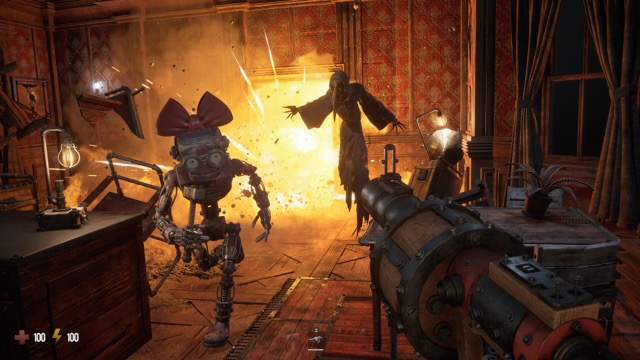
Notice changes in room scale, material, ambient sound and route complexity. Pause at the boundary long enough to decide whether the crew is equipped for the new pressure.
FIELD NOTE / 02
Map knowledge that survives updates
Record landmarks and return-path relationships rather than a fixed floor plan. Shifting layouts make route grammar more useful than a screenshot pretending to be universal.
FIELD NOTE / FAQ
Frequently Asked Questions
What is the quick answer for Biomes & Region Transitions?
Use architecture, lighting, sound and loot density to recognize a region transition; verify exact biome names and counts against the current build.
What should a crew remember from Biomes & Region Transitions?
Transitions matter more than memorized names. Loot density can signal rising risk. Do not publish a total count without current evidence.
EVIDENCE / SOURCE REGISTER
Source register
- officialOfficial game description
- field-noteLocal field-research inventory